

You swing your legs out of bed. Put your foot on the floor.
Bang.
That sharp pain shoots into your heel. The first few steps feel stiff, sore, and awkward. Sometimes it eases as you move. Sometimes it lingers all day.
You stretch it, roll it on a ball, change your shoes, and hope it will settle on its own.
But weeks pass. Sometimes months. It is still there.
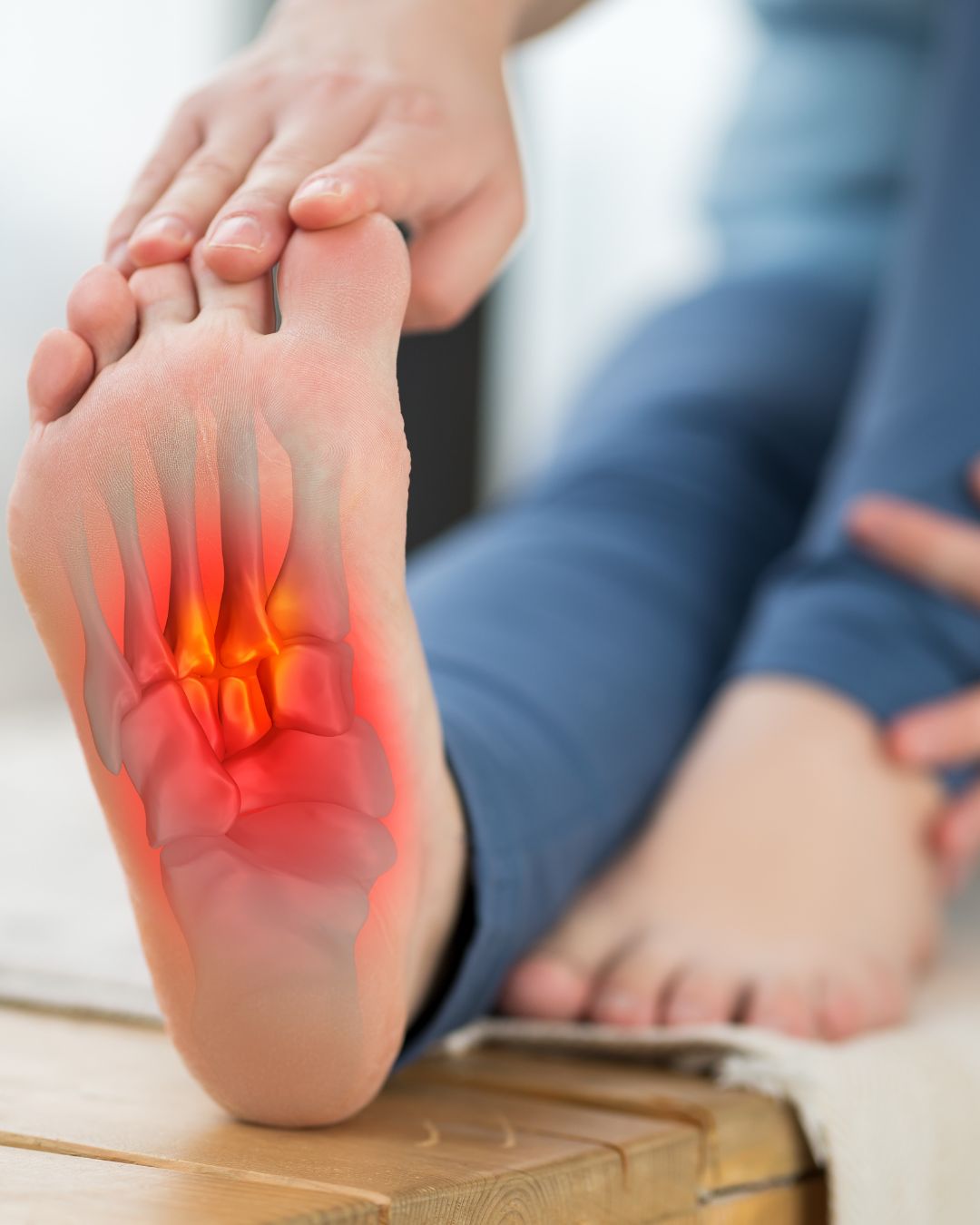
If this sounds familiar, you are not alone. Heel pain is one of the most common things we treat at Compass Physio. It rarely comes out of nowhere. It builds slowly. Then it starts affecting walking, training, work, and daily life.
Why so many people struggle to get on top of it
Most people arrive having already tried rest, new shoes, and stretching. Sometimes for months.
The reason those things often fail is straightforward. They address the symptom, not the source. The heel is painful, but the heel is rarely the whole story.
Understanding what drives the overload is where proper recovery begins.
The good news? With the right plan, most people recover well. The challenge is understanding why it started.
What Is Plantar Fasciitis?
Your plantar fascia is a thick band of tissue running from your heel bone to the front of your foot. Think of it like a cable. It helps absorb force and support your arch when you walk, run, or stand.
When this tissue becomes overloaded or less tolerant to stress, pain develops around the heel. Many people call this plantar fasciitis.
But when symptoms have been there a while, plantar fasciosis is a more accurate term.
What is the difference?
Plantar fasciitis describes an irritated or inflamed phase. Plantar fasciosis describes longer-term overload, where the tissue thickens and loses resilience over time. The HSE describes plantar fasciitis as one of the most common causes of heel pain in adults.
Why Does Plantar Fasciitis Happen?
One of the biggest myths around heel pain: “It just came on suddenly.”
It almost always builds over time. There is rarely one moment where you injure it. The tissue becomes overloaded gradually. Common reasons include:
1. A sudden increase in activity
Started running again? Walking more? Training for an event? Even small increases in steps or load can overload the tissue before it adapts.
2. Reduced calf or foot strength
Your foot and calf act like shock absorbers. When strength drops, more load transfers through the plantar fascia with every step.
3. Stiff ankles or calves
Limited ankle mobility increases strain through the heel. You may not notice the stiffness until a physio assesses it.
4. Footwear changes
New shoes, worn-out shoes, or different supports can shift how load is distributed across the foot. Sometimes by a lot.
5. Age-related tissue changes
As we get older, tissues become less resilient and slower to recover. This is especially common in people in their 40s, 50s and beyond.
6. Standing or walking-heavy jobs
Teachers, healthcare professionals, retail workers, tradespeople, and busy parents are on their feet for long periods every day. Over time, that load adds up.
Signs You Might Have Plantar Fasciitis
You may be dealing with plantar fasciitis or plantar fasciosis if you notice:
- Sharp pain under the heel first thing in the morning
- Pain after sitting or resting for a while
- Symptoms easing once you get moving
- Soreness after walking, running, or exercise
- Pain when barefoot on hard floors
- Tenderness directly under the heel
- Symptoms building over weeks or months
Address heel pain early. The longer it is left, the harder it is to treat.
3 Mistakes That Often Make Plantar Fasciitis Worse
1. Resting completely
“If it hurts, I should stop moving.” It sounds logical. But complete rest often weakens the tissue further. The goal is not zero load. The goal is the right amount of load. A structured progression works better than doing nothing.
2. Stretching aggressively into pain
Hanging off a step to stretch the calf can sometimes help. But it can also irritate an already sensitive plantar fascia and flare symptoms. The right exercise matters. The right dose matters even more.
3. Only changing footwear
Supportive shoes can help, but they rarely solve the problem on their own. If strength, mobility, or training load are part of the problem, the issue tends to return. Good treatment finds why it developed, not just how to calm it down.
3 Exercises That Can Help Plantar Fasciitis
These exercises work best when done consistently and progressed over time. Start with the easier option and build from there.
What Our Patients Say
“Seen Sean a couple of times with a heel and foot problem despite it really affecting me stretching from the calf he managed to get me ready in a few weeks to complete a Tryka event. Thanks Sean and team.”
Google Review – Compass Physio
Why Generic Treatment Often Falls Short
At Compass Physio, we see this often. People arrive having tried stretching, insoles, rest, new shoes, massage guns, and online exercises. Sometimes these help. Often, they only offer short-term relief.
That is because plantar heel pain is rarely just a heel problem. Our physiotherapy assessment process looks at the whole picture.
Detailed History
We look at previous injuries, activity levels, training load, work demands, footwear history, and what has not worked before.
Clinical Assessment
We assess walking mechanics, foot movement, calf strength, ankle mobility, balance, and load tolerance.
Root Cause Mapping
We identify why this started, what is driving it, and what needs to improve. This gives clarity and confidence for the road ahead.
Advanced Assessment (Where Needed)
In some cases, musculoskeletal ultrasound helps us understand the plantar fascia and surrounding tissues. It also rules out other causes of heel pain.
Structured Recovery Plan
We build your plan around your goals. Walking without pain. Getting back to the GAA. Returning to running.
- Pain reduction
- Strength progression
- Walking confidence
- Return to exercise
- Return to running
- Long-term prevention
When Should You See a Physiotherapist?
Consider getting assessed if:
- Pain has lasted more than 2 weeks
- Symptoms are getting worse
- Walking is becoming difficult
- Exercise or training is affected
- You are limping in the mornings
- The pain keeps coming back
Address it early. It is easier to treat.
Frequently Asked Questions
Why is plantar fasciitis worse in the morning?
Should I rest plantar fasciitis completely?
How long does plantar fasciitis take to heal?
Can I still run with plantar fasciitis?
Will plantar fasciitis come back?
Is plantar fasciitis the same as a heel spur?
To Summarise
Key Takeaways
- Heel pain has a cause. It rarely appears overnight
- Rest alone almost never fixes plantar fasciitis
- Building tissue strength and managing load is the foundation of recovery
- Assess it early. Treatment is easier
- Address the root cause. That is what stops it coming back
Ready to Get to the Root of Your Heel Pain?
If plantar fasciitis is affecting your walking, training, or day-to-day life, our team at Compass Physio can help. We will identify why it developed, build a structured recovery plan, and help you get back to what you love.
Move Better. Feel Better. Live Better.